

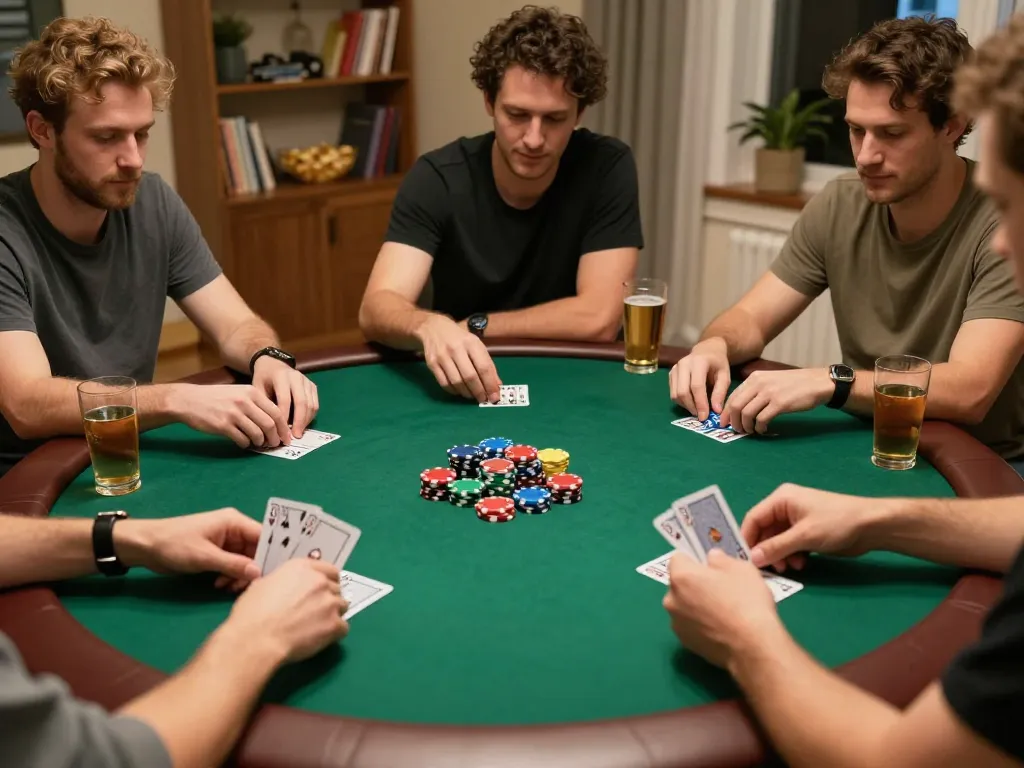
Understanding the Basics of 90P Poker
90P Poker is an engaging variant of traditional poker games, offering unique twists that challenge both novice and seasoned players. This game not only relies on luck but also incorporates strategy, making it essential for players to understand the rules, odds, and optimal strategies for success. As poker continues to gain popularity, particularly online, exploring options like 90P can enhance your playing experience.
What is 90P Poker? An Overview
90P poker is a structured variant, characterized by its rapid gameplay and a unique point system that impacts player strategies. Players aim to create the best poker hands possible within a set timeframe. Understanding the mechanics of the game helps players adapt their strategies effectively, making each session both challenging and fun.
Essential Poker Terminology for Beginners
Before diving into 90P poker, players should familiarize themselves with essential poker terms. Key terms include:
- Blinds: Forced bets that players must place before the cards are dealt, providing a financial incentive to play hands.
- Flop: The first three community cards dealt face up on the table that all players can use to create the best hand.
- Turn: The fourth community card dealt face up, following the flop.
- River: The fifth and final community card dealt, which can be crucial in completing hands.
- Check: To decline the opportunity to bet when no betting has occurred in the current round.
Effective Strategies for 90P Success
Success in 90P poker requires more than just a grasp of the rules; effective strategies can significantly enhance your gameplay. Here are some tactics to consider:
Understanding Odds and Probabilities
To excel in 90P, players must understand odds. Calculating the probability of achieving certain hands can guide betting decisions. For instance, if you have a strong starting hand, the odds of completing a flush by the river may warrant aggressive betting. Alternatively, being aware of the house edge can help manage expectations regarding potential losses.
Bankroll Management Tips for Players
Effective bankroll management is crucial for long-term success in poker. It involves setting limits on how much to spend and sticking to them, regardless of whether you’re winning or losing. Consider the following tips:
- Set a Budget: Determine a specific amount to spend on poker each month.
- Table Stakes: Only bring what you can afford to lose to the table to avoid financial strain.
- Session Limits: Set limits on how long you will play to avoid fatigue that can lead to poor decisions.
Reading Opponents: Key Tips
Being able to read your opponents is a vital skill in poker. Pay attention to their betting patterns, body language, and reactions. A player who suddenly raises after playing passively could indicate a strong hand, while a frequent bluffer may signal a need to call their bets more often. Developing this skill can provide a significant edge over your competition.
Advanced Techniques to Improve Your Game
As you become more comfortable with the basics of 90P poker, implementing advanced techniques can further improve your game.
Utilizing Position to Your Advantage
Your position at the table greatly affects your strategy. Players in a late position can observe the actions of opponents, allowing for more informed decision-making. Use this to your advantage by playing more hands when in a favorable position and evaluating potential proclivities of other players.
Bluffing Strategies: When and How?
Bluffing is a crucial element of poker, but it must be executed wisely. Successful bluffing requires assessing your opponents’ tendencies and the current game dynamics. Use timing and table image to your advantage, and only bluff when the circumstances are favorably aligned.
Adjusting Your Gameplay Based on Opponents
Not every player responds the same way to various strategies. If you encounter aggressive players, employing a more conservative approach may yield better results. Conversely, against passive players, a more aggressive strategy might force them to fold better hands. Flexibility in your strategy is key to adapting to the flow of the game.
Online vs. Physical 90P Poker: What’s Best?
Deciding between online and physical poker can significantly impact your experience. Both platforms offer unique benefits and drawbacks.
Pros and Cons of Online Poker Games
Online poker provides accessibility and convenience, allowing players to join games anytime, from anywhere. However, the lack of physical interaction can make reading opponents more challenging. Consider factors like increased anonymity and game variety when choosing to play online versus in-person.
Gambling Etiquette in Live Casino Settings
Playing at a live casino requires knowledge of etiquette, such as addressing dealers, maintaining a respectful demeanor, and being mindful of the pace of play. Etiquette can enhance the overall enjoyment of the game for everyone involved.
Technological Advances in Online Poker
With continuous advancements in technology, online poker platforms now offer features such as live dealers and enhanced graphics. Technological integration creates a more engaging experience that mirrors live gaming, attracting more players to online tables.
Responsible Gambling Practices for 90P Players
Engaging in responsible gambling is essential for ensuring that poker remains a source of entertainment rather than stress or financial burden. Here are key practices for 90P players:
Recognizing the Signs of Problem Gambling
Awareness of the signs of problem gambling is important. Signs may include neglecting responsibilities, feelings of guilt related to gambling, or persistent chasing of losses. Being conscious of these indicators can facilitate timely intervention.
Setting Limits: Staying Within Your Budget
Implementing strict limits on time and money spent playing poker is crucial in maintaining a healthy gambling lifestyle. Set daily, weekly, and monthly limits that align with your financial situation and adhere to them consistently.
Resources for Support and Help
For those struggling with gambling-related issues, resources are available. Self-exclusion programs and support groups can provide assistance and tools to regain control over gambling habits. It’s essential to seek help if you feel gambling is becoming a problem.