
Understanding Sports Broadcasting Fundamentals
Definition and Scope of Sports Broadcasting
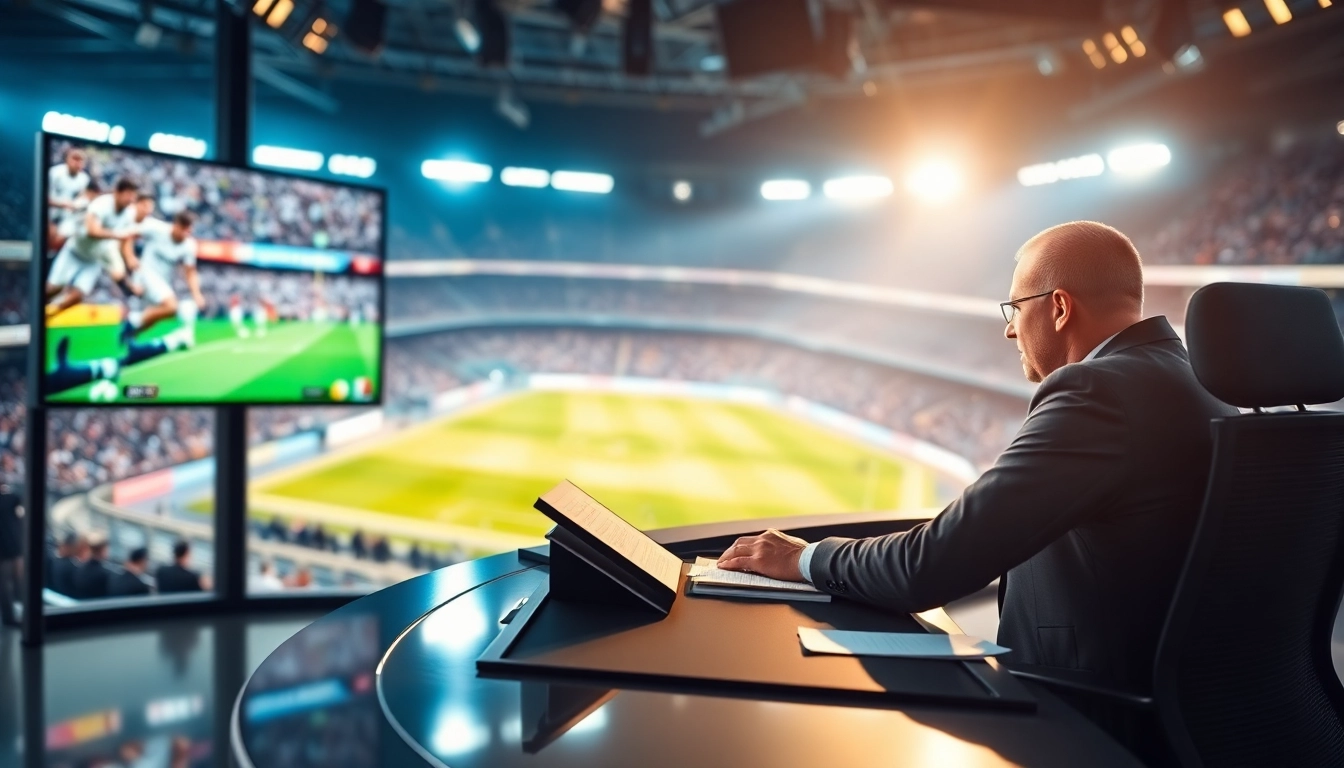
Sports broadcasting is a specialized sector of media focused on delivering live sports events, news, commentary, and analysis to audiences via various platforms. This broad field encompasses television, radio, online streaming services, and social media, allowing for diverse content formats to engage audiences. The primary goal is to provide real-time coverage and insight into sporting events while connecting fans to their favorite teams and athletes. The landscape has evolved significantly with technological advancements and changing viewer habits, creating new opportunities and challenges within the industry. For a deeper understanding of this dynamic field, explore resources on Sports Broadcasting.
Different Types of Sports Broadcasting
Sports broadcasting can be categorized into several types based on the delivery method and content focus:
- Live Event Broadcasting: This involves the immediate transmission of sporting events as they occur, such as football games or basketball matches.
- Sports News Broadcasting: This includes programs that offer news updates, commentary, and analysis related to various sports, covering topics from player performances to team strategies.
- Sports Talk Shows: These programs facilitate discussions around sports topics, featuring interviews with athletes, coaches, and analysts, aiming to engage the audience in a conversational format.
- Documentaries and Specials: These delve into specific aspects of sports, exploring historical events, athlete biographies, and significant moments, often providing deep insights into the sports culture.
Key Roles in Sports Broadcasting
Several key roles contribute to the effective delivery of sports broadcasting:
- Commentators: Often the most visible, commentators provide real-time insights and analysis during live events, enhancing the viewer experience through expert commentary.
- Producers: They are responsible for the overall production of broadcasts, from planning segments to coordinating with on-air talent.
- Cameramen and Technical Crew: This group handles the visual aspects, ensuring high-quality visuals and sound, vital for engaging broadcasts.
- Writers: They create scripts, segments, and promotional material to enhance communication and storytelling around sporting events.
Essential Equipment for Effective Sports Broadcasting
Microphones and Audio Gear
Audio quality is paramount in sports broadcasting. The following equipment is essential:
- Dynamic Microphones: These are typically used for field reporting due to their durability and ability to handle high sound pressure levels.
- Condenser Microphones: Ideal for studio settings, offering a wider frequency response and greater sensitivity.
- Wireless Microphones: Used for interviews and capturing sound from athletes and coaches without restrictive cables.
- Mixer and Audio Interfaces: These tools help balance sound levels and add effects, crucial for achieving professional-grade audio quality.
Visual Equipment for Sports Broadcasting
Visuals play a critical role in sports coverage. Essential visual equipment includes:
- Cameras: High-definition cameras are vital for capturing detailed action in real-time. Multi-camera setups provide diverse angles for enhanced viewer engagement.
- Tricaster/Live Production Switcher: This allows broadcasters to switch between camera feeds and graphics seamlessly during live events.
- Teleprompters: These provide on-air talent with scripts and notes, helping them to deliver information smoothly and effectively.
- Video Editing Software: Essential for refining content before broadcast, aiding in highlight reels and feature segments.
Broadcasting Software and Tools
Software is increasingly crucial in sports broadcasting. Significant tools include:
- Graphics Software: For designing visuals that enhance storytelling through statistics, player profiles, and other real-time data.
- Streamlining Software: Tools that facilitate the scheduling, broadcasting, and streaming of events across multiple platforms, ensuring consistent viewer access.
- Analytics Software: Employs data tracking to help broadcasters understand viewer engagement and optimize content delivery.
Techniques for Engaging Sports Commentary
Building a Connection with Viewers
Engagement in sports commentary relies heavily on building a connection with the audience. Effective techniques include:
- Personalization: Commentators can succeed by sharing personal anecdotes related to the event, drawing viewers closer.
- Audience Interaction: Integrating live feedback from social media or polls can make broadcasts feel more interactive and engaging.
- Relatability: Using relatable language and avoiding jargon can help make broadcasts accessible to all viewers, enhancing overall enjoyment.
Effective Storytelling in Sports Commentary
Storytelling forms the backbone of compelling sports commentary:
- Setting the Scene: Commentators should paint a picture of the event's context, including team histories and player backgrounds, to enrich viewer experience.
- Building Dramatic Tension: By highlighting key moments and building excitement, commentators enhance viewer investment in the game.
- Concluding Narratives: At the end of an event, summarizing the storylines tied to the game and its implications on the wider sports landscape is impactful.
Utilizing Social Media in Sports Broadcasting
Social media has transformed the sports broadcasting landscape:
- Real-Time Updates: Broadcasters can use social media platforms to provide viewers with instant updates, engaging fans directly during events.
- Content Promotion: Platforms serve as a venue for promoting events and broadcasts, driving audience numbers and engagement.
- Community Building: Engaging storytelling on social media invites interaction, fostering a sense of community among fans and viewers.
Succeeding in a Competitive Sports Broadcasting Landscape
Understanding Audience Expectations
Meeting audience expectations is critical for success in sports broadcasting:
- Personalized Content: Audiences increasingly desire content tailored to their preferences, making audience insights invaluable for broadcasters.
- Quality Over Quantity: Viewers now prioritize high-quality production, insightful commentary, and unique content over simply broadcasting multiple games.
- Accessibility: Offering broadcasts on varied platforms and devices caters to diverse viewing habits and lifestyles.
Navigating Rights and Licensing in Sports Broadcasting
Understanding rights and licensing is fundamental:
- Acquisition of Rights: Engaging in negotiations for broadcasting rights for specific sports or leagues is essential.
- Compliance with Regulations: Adhering to legal stipulations surrounding broadcasting, including copyright laws and licensing agreements, is critical to avoid legal repercussions.
- Content Distribution: Developing partnerships with different platforms can maximize reach while navigating rights agreements effectively.
Staying Ahead of Industry Trends
To maintain a competitive edge, broadcasters should stay updated with industry trends:
- Emerging Technologies: Keeping up with advancements such as 5G broadcasting can improve both quality and accessibility for viewers.
- Changing Viewer Habits: Recognizing the shift towards online streaming and on-demand content assists broadcasters in adapting their distribution strategies.
- Data-Driven Decisions: Analyzing viewer data allows for targeted content creation, ensuring relevance and engagement with audiences.
Measuring Success in Sports Broadcasting
Analyzing Viewership Metrics
Understanding audience metrics is key to measuring success:
- Viewer Ratings: Analyzing traditional metrics such as TV ratings is essential, but digital metrics should not be overlooked.
- Engagement Analytics: Monitoring social media engagement and interaction can provide additional insights into viewer interest and content performance.
- Retention Rates: Evaluating how many viewers stay for the entirety of the broadcast can guide future content decisions.
Gathering Audience Feedback
Direct feedback is invaluable for continual improvement:
- Surveys: Conducting audience surveys post-event can provide insights into viewer satisfaction and preferences.
- Social Media Listening: Monitoring conversations about broadcasts on social media allows for real-time feedback and audience sentiment analysis.
- Focus Groups: Engaging focus groups can yield qualitative insights into audience perceptions and expectations.
Using Data for Continuous Improvement
Data analysis plays a pivotal role in refining sports broadcasts:
- Performance Metrics: Utilizing data to understand content performance across platforms can enhance programming strategies.
- Targeted Content Creation: Creating content based on analytics ensures that broadcasts align with viewer interests and expectations.
- Regular Audits: Performing regular assessments of broadcasting strategies based on viewer data keeps content fresh and engaging.
Frequently Asked Questions
What is the difference between sports broadcasting types?
Sports broadcasting encompasses live event coverage, news segments, talk shows, and documentaries. Each type serves different audience needs and preferences.
How can I improve my sports commentary skills?
Improve commentary skills by practicing storytelling, engaging with audiences directly, and understanding the events deeply to provide insights.
What equipment do I need for sports broadcasting?
Essential equipment includes high-definition cameras, professional microphones, audio mixers, and video editing software for quality production.
How important is audience feedback in broadcasting?
Audience feedback is critical as it guides content improvement, ensuring that broadcasts meet viewer expectations and preferences.
What trends should sports broadcasters focus on?
Broadcasters should monitor emerging technologies, shifting viewer habits towards streaming, and data analytics for improved performance.